The artists, writers, musicians and screen industries shaped by the South West
Part three of a three-part series in which our Chair, Claire Pearce, celebrates what makes the South West such an exceptional place to live, work and thrive.
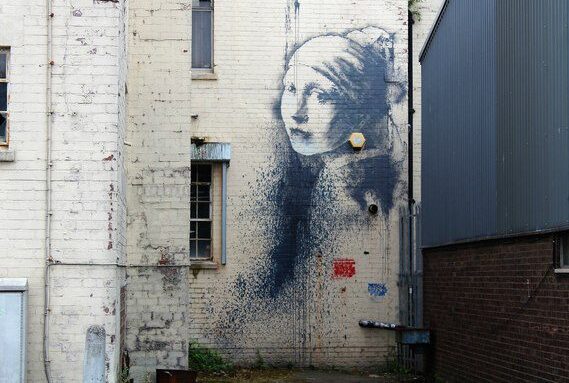
Home of Banksy, one of the UK’s most influential street artists, you can find some of his early work across Bristol City. Upfest is Europe’s largest street art festival taking place bi-annually in Bristol. Damien Hirst’s striking sculpture ‘Verity’, a 20-metre bronze-and-stainless-steel work depicting a pregnant woman holding a sword aloft while carrying the scales of justice, guards the harbour entrance at Ilfracombe in North Devon.
Music
Music continues to thrive with the world-class festival at Glastonbury, and a host of smaller festivals across the region. The South West is also ‘home’ to many artists who have helped shape and define their industry over several decades:
Chris Martin (Coldplay): The frontman of the world-famous band was born and raised in Exeter. The rock band Muse originated in Teignmouth.
Jamie Cullum, an internationally famous jazz singer and piano player, grew up in Wiltshire. Joss Stone, an R&B artist, is from Cullompton.
Mick Fleetwood (Fleetwood Mac), Redruth, Cornwall.
Massive Attack and Portishead were both from Bristol, and XTC formed in Swindon.
Ritchie Blackmore (guitarist for Deep Purple/Rainbow) was born in Weston-super-Mare, Somerset.
The Wurzels, a folk band from Somerset known for their 1976 number-one hit “Combine Harvester,” can still be heard at Somerset cricket games. I can’t believe I mentioned the Wurzels!
Literature
The South West’s unique and multi-faceted landscape has inspired generations of writers, some highlights being: the “Queen of Crime” Agatha Christie, born in Torquay, based many of her Hercule Poirot and Miss Marple mysteries around Devon, to Sir Arthur Conan Doyle, inspired by the haunting, misty landscapes of Dartmoor to write his famous Sherlock Holmes tale, The Hound of the Baskervilles, to Ted Hughes, the former Poet Laureate.
Cornwall, home of Daphne du Maurier, provided settings for Rebecca and Jamaica Inn, amidst the rugged Fowey and Bodmin Moor. Winston Graham wrote his historical saga Poldark while living in Perranporth, famously naming his characters after local Cornish villages and tin mines and John le Carré (real name David Cornwell), the spy novelist, lived on the Cornish coast near Lamorna for over 40 years.
Jane Austen spent time living in Bath, which served as the backdrop for her classic novels Northanger Abbey and Persuasion. Henry Fielding: Born in Sharpham Park, this 18th-century English dramatist drew on his Somerset roots to write The History of Tom Jones. Terry Pratchett was raised in Beaconsfield and made his home in Wiltshire, writing extensively about the local West Country atmosphere. Dick King-Smith, born in Bitton, lived in South Gloucestershire.
Dorset, famous for Thomas Hardy, mapping out the fictional county of “Wessex,” created Tess of the d’Urbervilles.
There is so much more to highlight.
Painters and sculptors
Samuel Taylor Coleridge lived in Somerset in the 1700s, during the most creatively productive period of his life. Living in a humble cottage in Nether Stowey, Somerset, he collaborated with William and Dorothy Wordsworth to give birth to English Romanticism and wrote masterpieces such as The Rime of the Ancient Mariner, Kubla Khan, and Frost at Midnight.
Dame Barbara Hepworth (Cornwall): one of the most important figures in modern British sculpture.
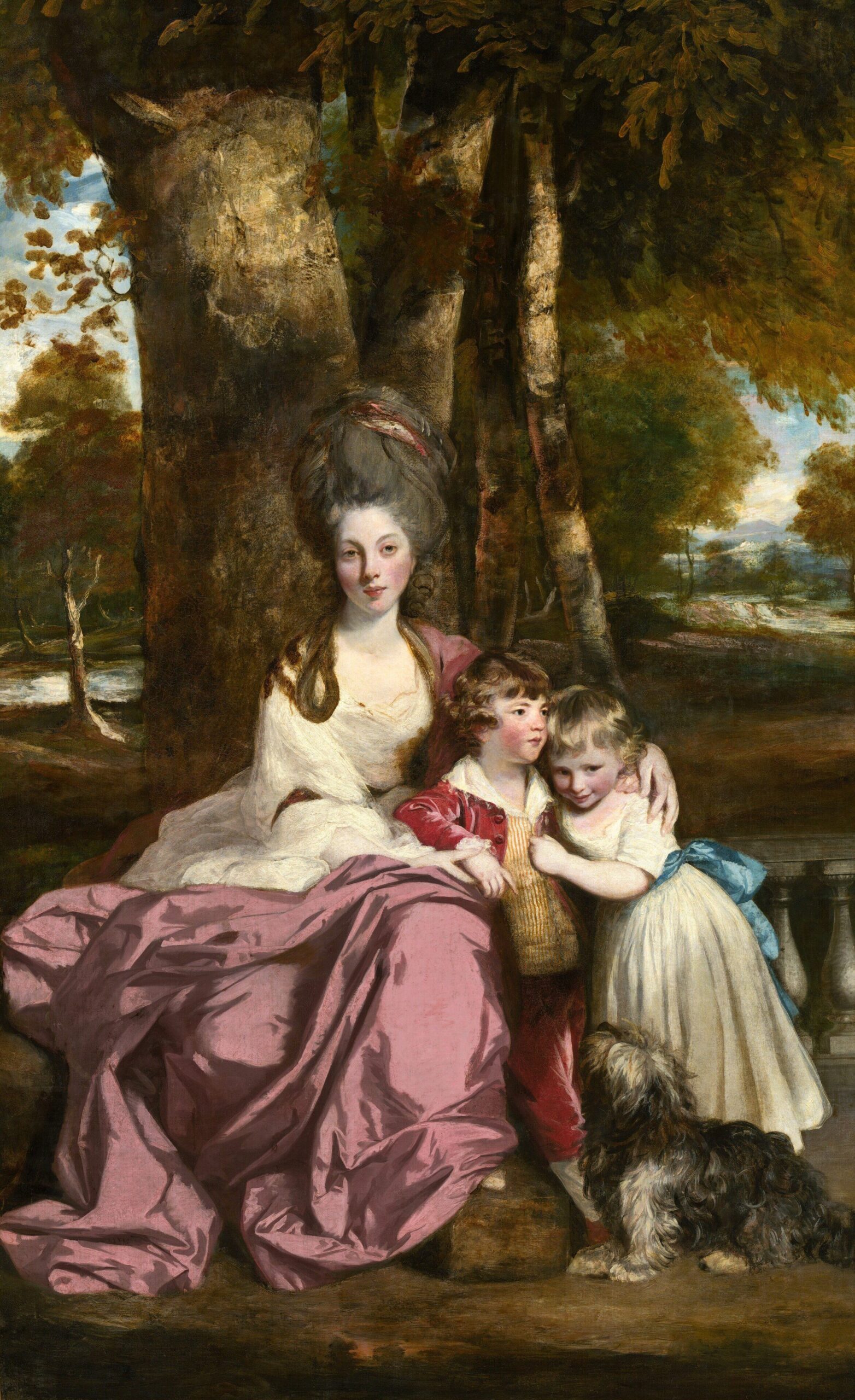
Sir Joshua Reynolds (Devon): Born in Plympton, was an influential 18th-century painter and the very first President of the Royal Academy of Arts.
John Constable (Dorset / Wiltshire): a famous Romantic landscape painter known for capturing the natural beauty of the English countryside.
Thomas Gainsborough (Somerset): he spent much of his time painting landscapes and portraits while living in Bath.
Film and television
The South West is playing an ever-expanding role in the UK’s television and film industry. Ranging from the BBC’s use of Cornwall’s rugged coastline and mining history in Poldark through to the household favourite Doctor Who, the South West is turning up more and more on the small screen and silver screen, whether in the form of our enviable character properties or rolling vistas. Other significant productions include: Bridgerton, The Imitation Game, Rivals, Wolf Hall, etc.
Aardman Animations is a world-renowned British animation studio based in Bristol. Founded in 1972, they are globally famous for creating iconic characters such as Wallace & Gromit, Shaun the Sheep, Chicken Run, and Morph, and have earned numerous awards, including four Oscars.
Steeped in history
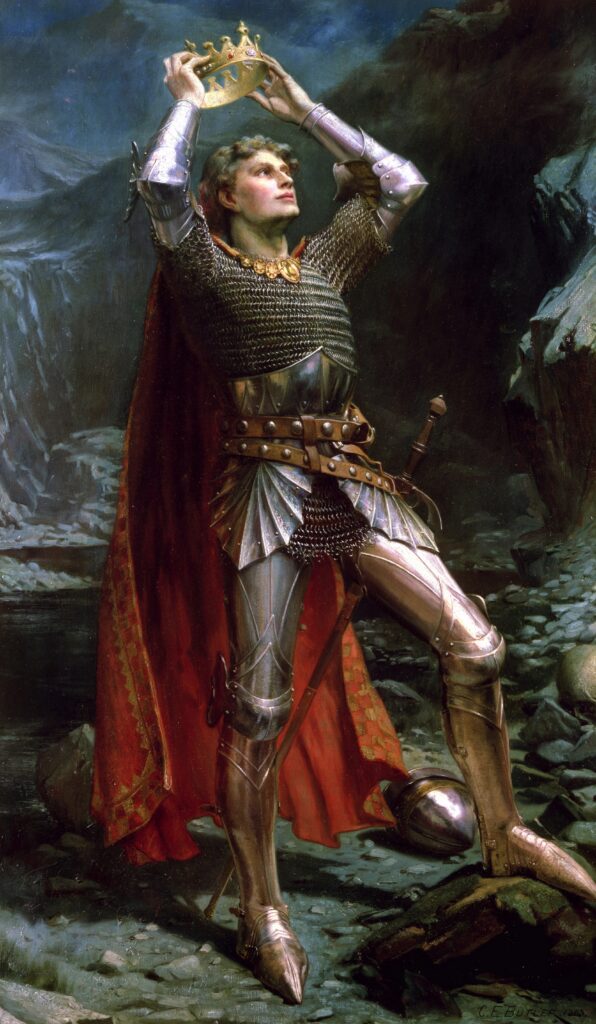
The South West of England is also richly steeped in world-altering history, but that is for another day. Just as a peek, our region’s history spans from the legend of King Arthur and his rumoured seat at Tintagel, through to the legendary engineer Isambard Kingdom Brunel, who lay at the heart of the UK’s industrial revolution and also designed the SS Great Britain, which launched in Bristol and revolutionised global travel.
What do you love about the South West?

About Claire Pearce
Claire has over thirty years’ experience working across the public and private sectors in a diverse range of development roles, all with a key focus on place transformation, performance and delivery. With a demonstrable track record in nationally significant and complex regeneration projects, Claire has created the conditions to attract investment, transform places, and uplift opportunities for communities. Known for a pro-growth, pro-business approach, Claire has led and delivered considerable economic restructuring both in Reading and, more recently, in Bridgwater, Somerset, and has left a legacy that celebrates sustained economic growth.
Formerly Chief Planning Officer for Sedgemoor District Council, Claire led the public-sector response to Hinkley Point C, from strategy and negotiation through to implementation. She has provided strategic advice on Sizewell C and has served as the Director of Planning in the private sector for 5 years, reimagining the planning and regeneration strategy to create the Gravity project and securing the Tata/Agratas gigafactory into the UK.
Main Image Credits: Festival photograph: © @halfpoint via Canva.com
Cornish landscape photograph: © @gettysignature via Canva.com