Exeter is making its case to become one of the UK’s leading defence and technology innovation clusters, as business leaders, academics, MPs and government figures came together to map the existing capabilities and plot a coordinated strategy for growth.
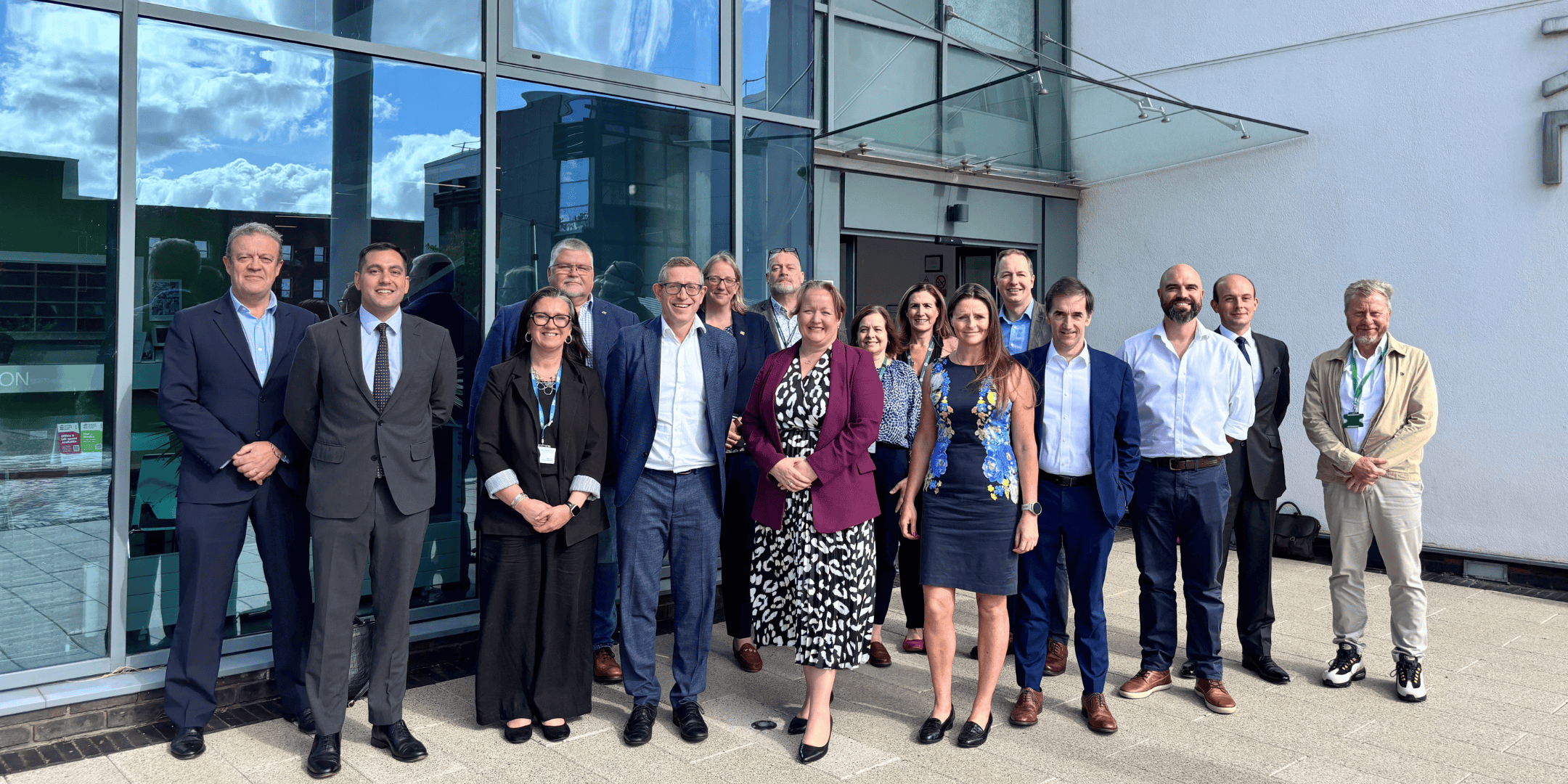
A roundtable discussion, organised in partnership with David Reed, MP for Exmouth and Exeter East and Shadow Minister for Defence, and Exeter Science Park, which hosted the meeting, focused on how Exeter can strengthen its role in the UK’s growing defence and dual-use technology landscape.
The wide-ranging conversation explored the defence activity taking place across Exeter and the surrounding area, examined how organisations could work more closely together and considered how Exeter can develop a stronger and more visible defence proposition that complements the operational defence and maritime capability of Plymouth to create a cohesive defence proposition for Devon.
Lindsay Lucas, Chief Executive of Exeter Science Park, said: “Greater Exeter is home to innovative businesses and highly regarded organisations with strengths in innovation, resilience, dual-use technology and skills development. As defence becomes an increasingly urgent national priority, we felt it was important to bring those organisations together to explore how we can connect our capabilities and build a stronger defence innovation cluster in Exeter.
“The opportunity is not to replicate what already exists, but to ensure that Exeter’s strengths complement Plymouth’s established operational defence and maritime capabilities. By connecting the two and drawing in the innovation taking place across Devon’s innovation spine, we can develop a more cohesive proposition for Devon and, from there, strengthen our connections across the wider South West. This roundtable was the start of that process, and there was a clear appetite to build on it.”
Exeter Science Park will continue to act as a hub and convening point, bringing together innovation, education, business and government to strengthen collaboration, develop opportunities and support the next phase of this work.
David Reed MP, Shadow Minister for Defence, Security and Resilience, said: “Devon already has an extraordinary concentration of expertise that can play a much bigger role in strengthening Britain’s defence and national resilience. From the Royal Marines at Lympstone and the Met Office to our universities and innovative local businesses, we have organisations doing remarkable work, particularly in developing technology and capabilities for extreme environments.
“What became clear from our discussion is that we have a real opportunity to bring these strengths together, build stronger links between Exeter and Plymouth, and put Devon firmly on the map as a centre for defence innovation.”
David added: “This is about more than defence alone. It is about attracting investment, creating highly skilled jobs, and ensuring local businesses can benefit from the opportunities ahead, while contributing to our national security.
“This roundtable was an important first step, and I look forward to working with everyone involved to turn these discussions into meaningful action.”
The group included representatives from key regional organisations, including the Met Office, the University of Exeter, Plymouth Science Park, the South West Business Council, Exeter City Council, East Devon District Council and Devon County Council. Richard Foord, Liberal Democrat MP for Honiton and Sidmouth and chair of the South West APPG, also took part.
Businesses working in the defence and extreme environment sectors also contributed to the discussion, including Exeter-based Brigantes, a specialised defence and tactical equipment provider; Supacat, which builds high-mobility, all-terrain vehicles for military, special forces and defence operations in harsh environments at its headquarters in Dunkeswell; and NauteXe Global, which is planning to build a globally unique extreme environment centre at Exeter Science Park.
The discussion mapped defence-related work, expertise and capability already present across Exeter and the surrounding area, spanning business, academia, technology, innovation and skills. It moved on to examine how those organisations can be better connected, where the gaps in collaboration are, and how universities, businesses, government and the military can work more closely together.
Among the topics discussed were autonomous systems, cyber, energy, extreme environments and national resilience. The group also considered how to communicate the region’s strengths more effectively to a national audience and attract inward investment, building on the work of the Great South West.
Opportunities to strengthen collaboration across Devon and connect more effectively with the wider South West ecosystem were identified.
Next steps were agreed, including follow-up meetings to deepen the collaboration and widen the group to include regional military representatives and other key organisations not present at the first session. Both MPs committed to advocating for the region’s defence and technology strengths with colleagues in Westminster.
Copy and image courtesy of Exeter Science Park.