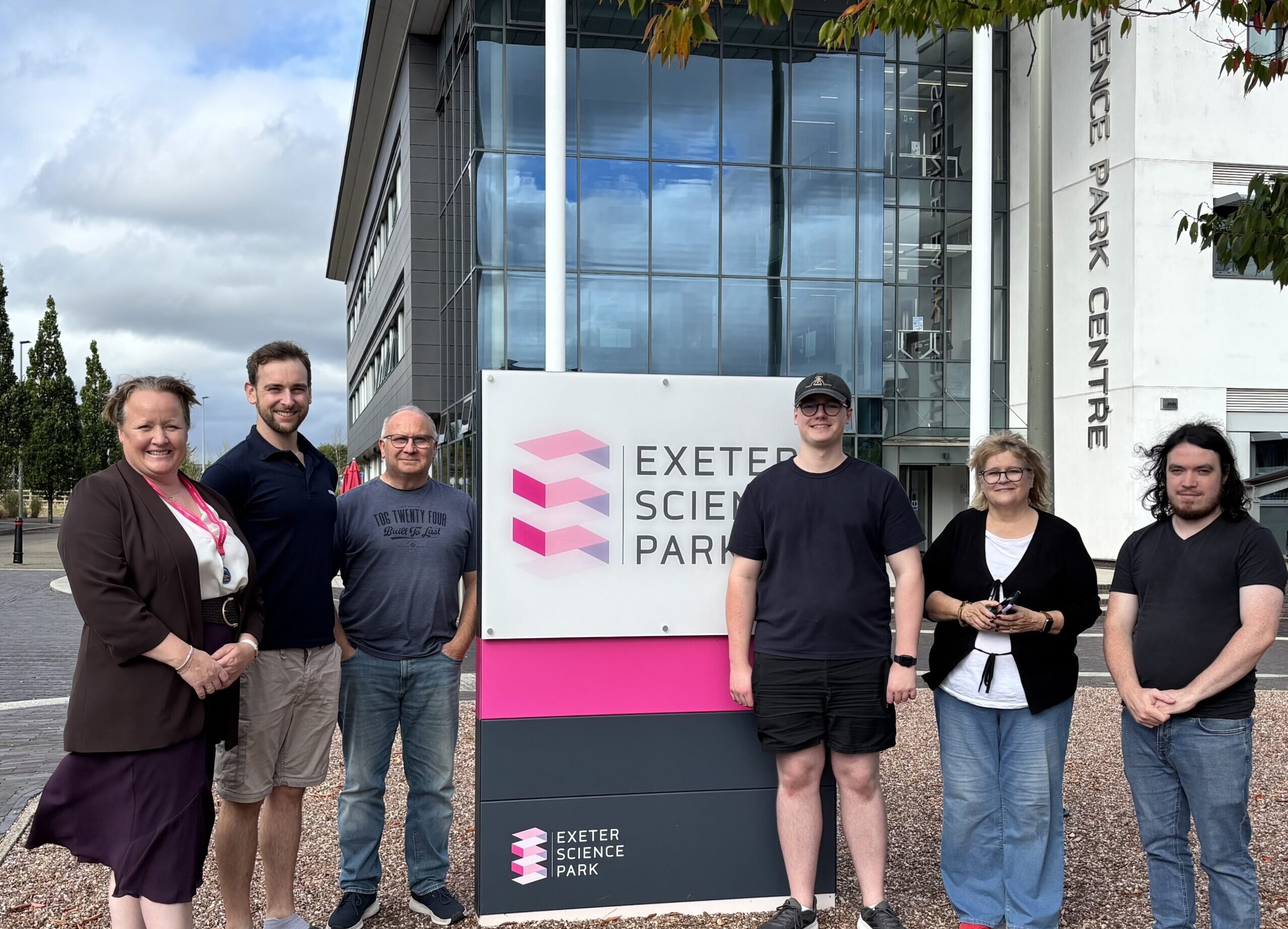
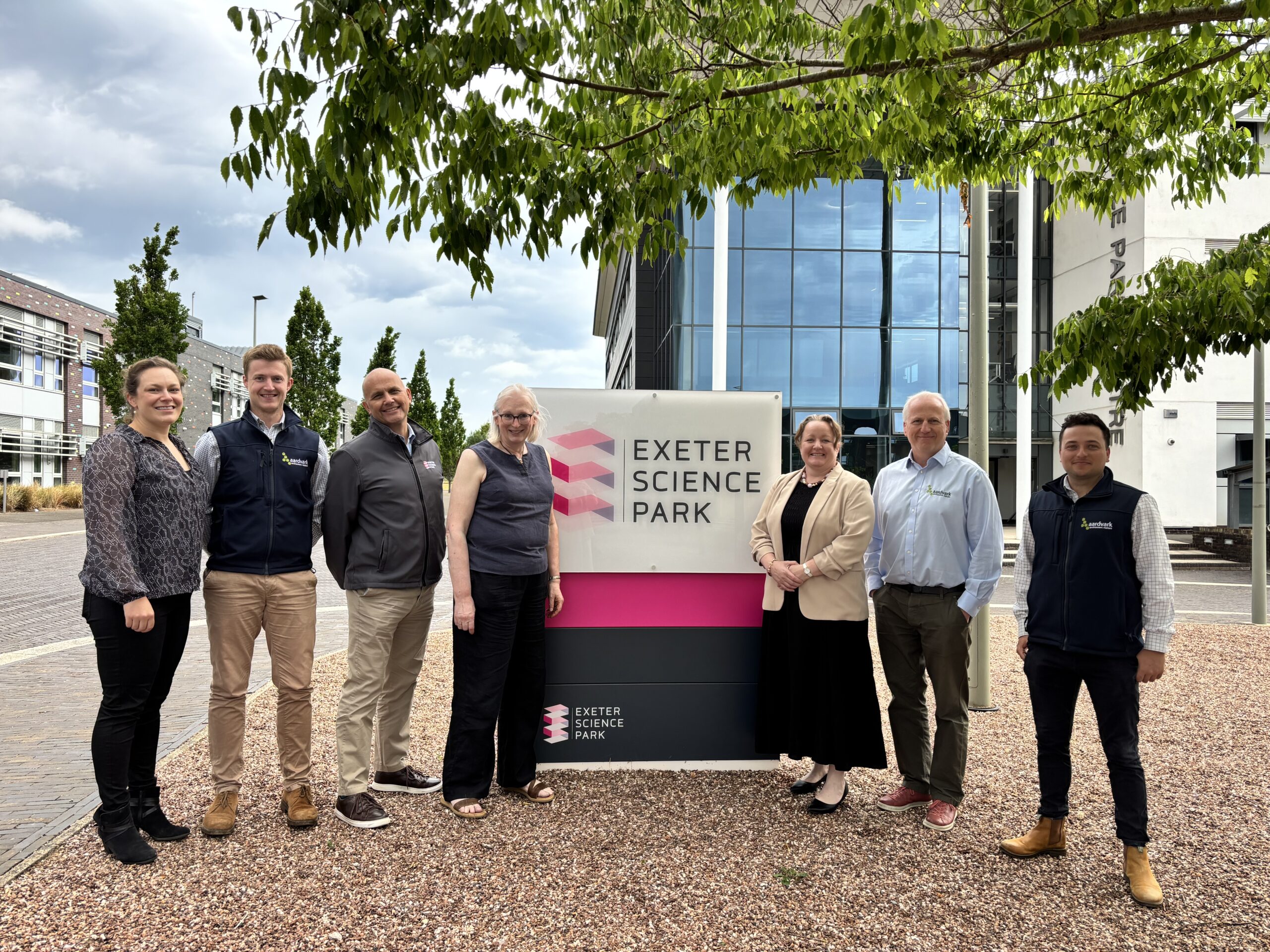
Environmental consultancy Aardvark EM is the latest company to join the growing community at Exeter Science Park.
The company, which was established in Somerset in 1997 and employs 45 people across its group of businesses, supports organisations with planning, environmental compliance, technical advisory services and project management.
The team delivers its services across the UK, working on large-scale commercial projects in sectors including energy, waste and water. Aardvark also provides independent verification and certification services focused on sustainability, energy and ISO standards – an area of the business experiencing significant growth.
Nick Leaney, Director of Aardvark EM, said the move to Exeter Science Park would support the company’s future ambitions. “We want to attract high-quality talent into the business, and our location is key to that. Exeter Science Park has matured over the past decade and there is now a strong sense of community. Under the leadership of outgoing CEO Sally Basker, it has developed into an attractive environment for innovative businesses.
“Our previous use of hot-desking space at the Park gave us a clear understanding of its value. Whether through access to clients or proximity to professional services such as legal and financial advisers, the location works extremely well. It is also well connected, making it an ideal base for our operations across the UK.”
Jason Buck, Head of Business Development at Exeter Science Park, said the Aardvark team would be a ‘great fit’ for the Science Park’s community of businesses.
He said: “We are proud of our collaborative community and actively support knowledge sharing to help businesses innovate, grow and succeed together.
“We’re very pleased to welcome the Aardvark EM team to that community. The breadth of projects they have worked on around battery storage, anaerobic digestion, onshore wind, solar PV, carbon auditing and environmental management make them an ideal fit within the wider cluster of companies at the park focussing on the built environment.”
Article and image courtesy of Exeter Science Park.