Traditions, festivals, food, drink and the unmistakable character of the South West
Part two of a three-part series in which our Chair, Claire Pearce, celebrates what makes the South West such an exceptional place to live, work and thrive.
The South West is home to many a unique tradition that perfectly captures the region’s celebrated, eccentric character. On this same Spring Bank Holiday Monday (25th May 2026), we had the wild delight of a 600-year-old tradition of cheese rolling at Coopers Hill in Gloucestershire- originating from ancient Pagan times. First recorded in 1826, this ‘extreme’ sport sees locals compete against international contenders chasing a wheel of Double Gloucester down a famously steep hill, with speeds reaching up to 80 mph. Those who take part risk all manner of injuries in the name of hurling themselves down a hill after a cheese!
On the same day, relatively close by in Tetbury, there is a Woolsack Race – a challenge for a hot day! Tetbury thrived in the Middle Ages as a market for wool on an important route from Oxford to Bristol, and to this day, a challenge is set to run up the hill with sacks of wool on their back to the pub at the top – I understand it used to be a sheep! Now the racing sacks are 60lb for men and 35lb for women. An official race day has been held since 1972, with world records recorded in the ‘Guinness Book of Records’.
Watch out for the British Firework Championship in Plymouth every August, and the Bridgwater Guy Fawkes Carnival in Somerset that next takes place on 7 November 2026, a spectacular illuminated procession of innovative carnival carts, bursting with community spirit, followed by the eye-opening squibbing display.
Aside from quirky events, agricultural shows, and food festivals, the South West is home to cultural giants and has a huge array of events, showstopping natural assets, and independent producers and breweries. Let’s not forget sport too!
Food and Drink
A treasure trove of world-class food, the region boasts Michelin dining to innovative ‘street eats’ and everything in between. Whether you are looking to experience modern British fine dining at Osip in Bruton, or pick up on the go at St Nick’s Market in Bristol, there truly is something to satisfy every culinary craving.
However, what cannot be denied is that the South West is particularly famous for its rich dairy, artisan cheese, field-reared meats, and vibrant cider culture. Wyke Farms (Somerset) is the UK’s largest independent cheese producer and powers its sustainable agrifood operations using local heritage.
Yeo Valley is the sole remaining family-owned British dairy company, famous as the UK’s largest organic brand. Founded by Roger and Mary Mead in 1974, to this day they produce organic milk, yoghurt, butter, cheese, and ice cream using sustainable, regenerative farming practices. Darts Farm is an award-winning farm shop in Devon, complemented by Rumwell Farm Shop in Somerset. There are weekend foodie trails across the region; explore the Taste of the West!
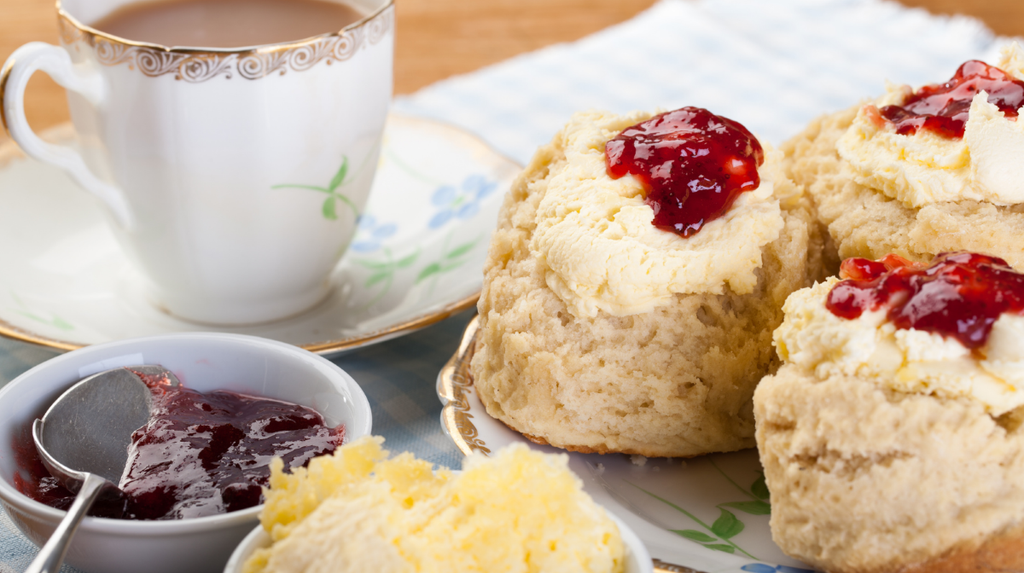
I would be remiss not to mention Cornish pasties, Cornish salt and incredible jams, Dorset ice cream and chocolate, with a huge array of regional goods, including honey and chilli products… and more. Of course, the infamous debate about how to serve scones with jam and cream in Devon and Cornwall continues.
The South West has a booming independent brewing scene, ranging from world-renowned craft pioneers in Bristol to specialist lager and traditional cask producers, as well as cider, gin, and wine producers. Championing beer are Lost and Grounded Brewers, Wiper and True, Arbor Ales, Utopian Brewing, Powderkeg Brewery, Salcombe Brewery Co, Quantock Brewery, Hawkstone Brewery, Verant Brewing Co.
The South West is the heartland of craft and specialist cider making in the UK. Sheppy’s Cider in Taunton to Thatchers at Myrtle Farm in North Somerset. Thatchers is the larger, nationally recognised family-owned independent maker, famous for its Gold and Haze varieties. Rich’s Cider offers a more traditional, intimate farmhouse atmosphere,well-known for its traditional still ciders, fruit ciders, and Legbender! There are a host of other producers.
Vineyards are increasing in prominence: Wraxall Vineyard, located in Shepton Mallet, is one of the oldest in the region, planted in 1974. Aldwick Estate is set in the Mendip Hills near Blagdon (Bristol); this is the largest single vineyard in Somerset, producing crisp whites and rosés with options for tours and luxury stays. Fenny Castle Vineyard, located in Worth, near Wells, is a family-run estate producing award-winning still and sparkling wines, plus local cider. Sandridge Barton, tucked into the rolling hills along the River Dart, is the home of Sharpham Wines.
The Camel Valley, located near Bodmin and Padstow, was truly at the forefront of the UK’s wine-making revolution, with this internationally renowned vineyard producing award-winning sparkling wines since 1989. Limeburn Hill Vineyard near Bristol is the only biodynamic vineyard in the South West, focusing on unfiltered, natural wines.
The region is likewise spoilt for choice for establishments helping to fuel the renaissance of gin, with distilleries popping up somewhere near you. The South West is home to historic brands such as Plymouth Gin and new brands such as Dryad, Still Sisters, Salcombe, Tarquin and Exmoor.
There are too many fabulous destinations to name – so many beautiful beaches; my favourite is Watergate Bay. The Newt in Somerset is an eye-catching, 300-year-old luxury country estate and hotel located between Bruton and Castle Cary, known for its Georgian Hadspen House, award-winning spa, cider orchards, and expansive, curated gardens.
As we look ahead to a new year, January 2027 will see wassailing festivals emerge – a centuries-old tradition to bless apple trees, wake up their spirits, and scare off evil demons to guarantee a bountiful harvest. Celebrated across the West Country with folk singing, Morris dancing, hot cider drinking, and music.
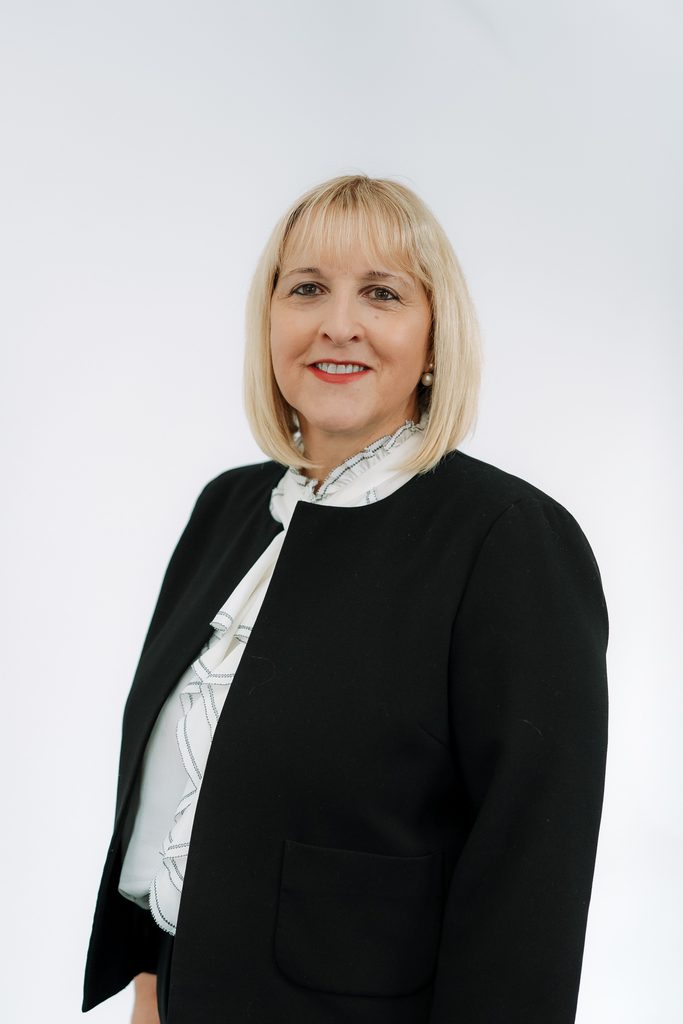
About Claire Pearce
Claire has over thirty years’ experience working across the public and private sectors in a diverse range of development roles, all with a key focus on place transformation, performance and delivery. With a demonstrable track record in nationally significant and complex regeneration projects, Claire has created the conditions to attract investment, transform places, and uplift opportunities for communities. Known for a pro-growth, pro-business approach, Claire has led and delivered considerable economic restructuring both in Reading and, more recently, in Bridgwater, Somerset, and has left a legacy that celebrates sustained economic growth.
Formerly Chief Planning Officer for Sedgemoor District Council, Claire led the public-sector response to Hinkley Point C, from strategy and negotiation through to implementation. She has provided strategic advice on Sizewell C and has served as the Director of Planning in the private sector for 5 years, reimagining the planning and regeneration strategy to create the Gravity project and securing the Tata/Agratas gigafactory into the UK.